

Introduction
Tinnitus is one of the most cumbersome challenges in audiology. No two patients present the same symptoms, and treatment outcomes can vary dramatically, even when using the same approach. The unpredictable nature of tinnitus, combined with the emotional toll it takes on patients, often leaves audiologists searching for better, more consistent strategies.
As expectations for personalized care grow, audiologists are now turning to tools and techniques grounded in data, ongoing tracking, and tailored therapy. The days of one-size-fits-all are over.
In this blog, we’ll walk through five data-backed strategies that can help you improve tinnitus therapy, increase patient engagement, and ultimately deliver better tinnitus treatment outcomes, all while streamlining your clinical workflow.
Let’s dive in.

1. Use Standardized Tinnitus Assessment Tools
Before diving into treatment, it’s crucial to understand the full scope of your patient’s symptoms. Tinnitus presents differently for everyone. Some patients hear a faint hum, while others experience a loud, distressing ring.
Standardized tinnitus assessment tools help you gather clear, measurable information about how tinnitus impacts your patient’s daily life. This makes it easier to create a treatment plan tailored to their unique experience.
What the Data Says:
A 2024 study published in The Journal of Audiology found that clinics using standardized assessment tools like the Tinnitus Handicap Inventory (THI) were able to adjust treatments more effectively, resulting in a 28% improvement in patient-reported outcomes within the first three months of therapy. By leveraging these tools to monitor symptom changes, audiologists were able to identify effective interventions more quickly and minimize trial-and-error in treatment approaches.
Common Tools Used in Tinnitus Assessment:
Tinnitus Handicap Inventory (THI):
A 25-question survey measuring emotional, functional, and catastrophic responses to tinnitus.
Tinnitus Functional Index (TFI):
Assesses the impact of tinnitus on various aspects, including sleep, concentration, and emotional well-being.
Visual Analog Scales (VAS):
Simple 0–10 scales measuring the perceived loudness, annoyance, or distress caused by tinnitus.
Tinnitus Reaction Questionnaire (TRQ):
A 26-item questionnaire that evaluates the emotional distress associated with tinnitus, including anxiety, depression, and irritability. It helps audiologists understand how tinnitus is affecting a patient’s mental health and quality of life.
Why These Tools Matter:
By using standardized assessment tools, you can objectively measure the impact of tinnitus, track symptom progression, and adjust interventions accordingly. This structured approach ensures that treatment plans are personalized and responsive to your patient’s specific experience.
2. Match the Sound to the Symptom: How Personalized Therapy Helps
Every tinnitus patient is unique. The intensity and frequency of the ringing sound they hear can vary from person to person, making it essential to provide personalized sound therapy that addresses each patient’s specific symptoms.
What the Data Says:
A meta-analysis conducted by JAMA Otolaryngology in 2020 found that personalized sound therapy was significantly more effective than generic sound therapy in reducing tinnitus intensity. Patients who received sound therapy tailored to their specific frequency and pitch of tinnitus experienced a 40% reduction in perceived tinnitus severity.
How to Implement Personalized Sound Therapy:
Symptom Matching Algorithms:
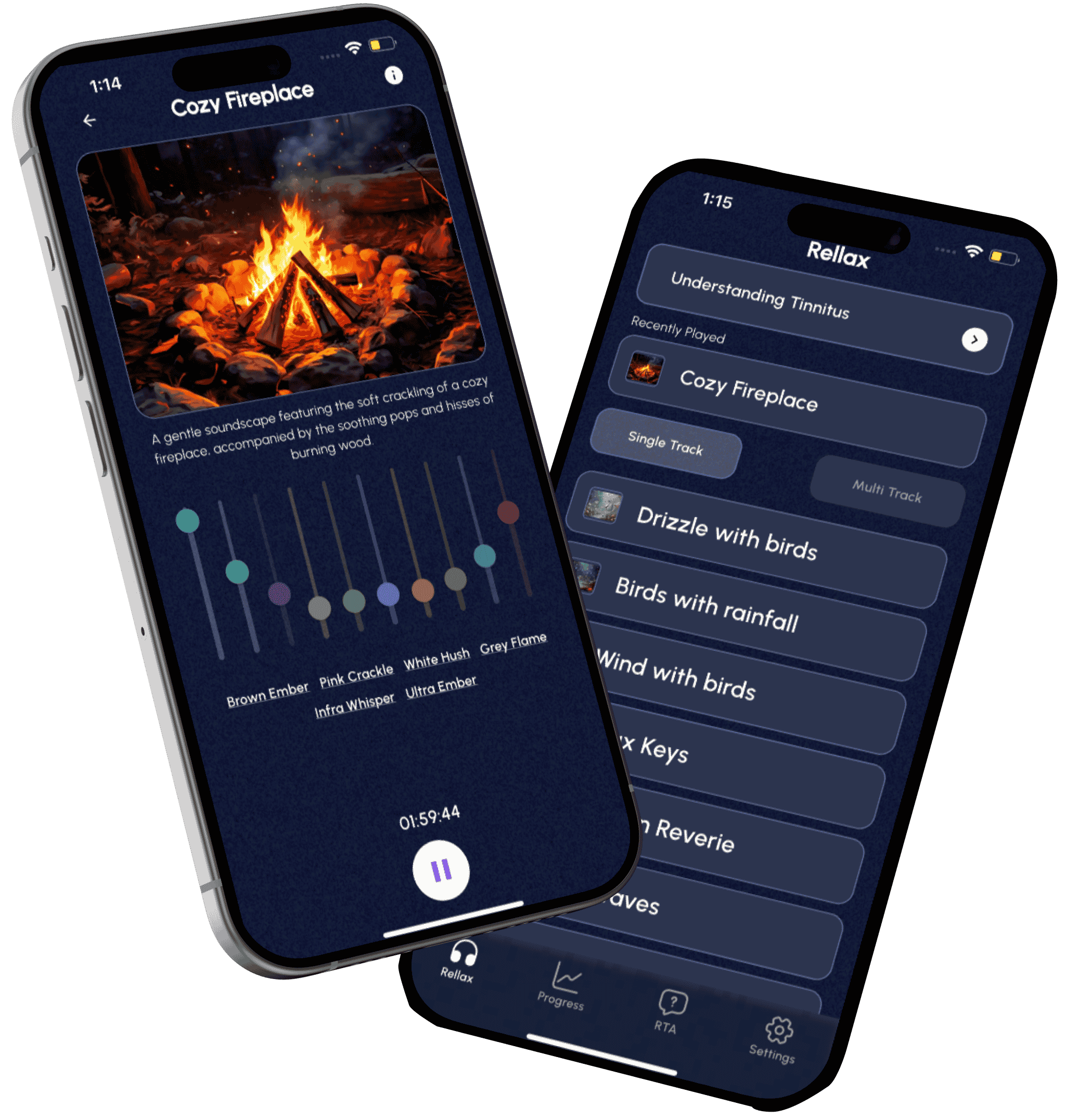
Tools like Rellax use symptom profiling algorithms to create personalized sound therapy based on the patient’s tinnitus characteristics. This can include matching sound frequencies, volume, and tone to the patient’s specific tinnitus pattern, enhancing the effectiveness of the therapy.
Find the Blend Point:
One important technique is identifying the blend point, the frequency and volume where the therapeutic sound merges with the patient’s tinnitus sound. At this point, the brain begins to filter out the tinnitus more easily, reducing its perceived intensity. Using the blend point helps patients achieve quicker relief and greater comfort during therapy.
Adaptive Sound Libraries:
Sound therapy can include a wide range of audio options, such as nature sounds, white noise, or calming music. However, many modern tinnitus management tools now follow the principles of Tinnitus Retraining Therapy (TRT), which emphasizes the use of broadband noise. This type of sound is designed to blend with the tinnitus signal and help the brain gradually tune it out. Platforms like Rellax are built around this concept, offering customizable broadband sound options that support consistent and comfortable therapy. By adapting the sound stimuli to each patient’s tinnitus profile and comfort level, therapy becomes more effective and easier to stick with.
Why It Works:
Personalized sound therapy helps patients focus on specific frequencies that are tolerable to the patient, reducing the perceived intensity of the sound. When patients use tailored therapies, they’re more likely to adhere to treatment and experience better long-term results.

3. Address the Mind: Combining CBT with Sound Therapy
It’s not just about treating the ears; it’s also about treating the mind. Many patients with tinnitus experience anxiety, depression, and distress, which can worsen their symptoms. Combining sound therapy with cognitive behavioral therapy (CBT) is a highly effective way to address both the physical and psychological aspects of tinnitus.
What the Data Says:
A study published in The Lancet showed that patients who underwent both CBT and sound therapy experienced a 50% reduction in tinnitus-related distress within six months. CBT helps patients reframe negative thoughts, reducing the emotional burden of the condition.
How to Implement CBT:
Partner with Mental Health Professionals:
Collaborating with licensed mental health professionals can help you offer CBT in conjunction with sound therapy.
Offer CBT Modules through Tinnitus Apps:
Many tinnitus management platforms now offer guided CBT sessions as part of their treatment plans, which patients can access remotely.
Why It Works:
CBT helps patients change the way they perceive their tinnitus, making it less distressing. When combined with sound therapy, CBT provides a comprehensive approach that treats both the physical and emotional aspects of tinnitus.
4. Keep Patients on Track: Why Consistency Makes All the Difference
Consistency is key when it comes to managing tinnitus. Many tinnitus therapies, including sound therapy and cognitive behavioral therapy (CBT), require patients to stay engaged in their treatment. Ensuring therapy adherence can significantly improve treatment outcomes.
What the Data Says:
A study published in The Journal of the American Academy of Audiology found that clinics using digital tracking tools saw a 25% increase in therapy adherence and a 35% decrease in patient dropout rates. When patients feel supported and engaged, they’re more likely to stick to their treatment plan.
How to Monitor Patient Engagement:
Patient Management Dashboards:
Tools like Rellax’s patient dashboard allow audiologists to monitor patient progress in real time. These platforms can track patient engagement, session completion, and symptom changes, providing audiologists with valuable insights into how well patients are adhering to their treatment plans.
Automated Reminders:
Apps or email reminders encourage patients to stay on track, reinforcing the importance of consistent treatment.
Why It Works:
Better engagement leads to better outcomes. When patients are actively involved in their tinnitus management, they’re more likely to experience positive results. Digital tools help make engagement seamless, improving the overall treatment process.
5. Use Outcome Data to Continuously Optimize Therapy
The best way to improve tinnitus therapy is by making data-driven decisions. Continuously tracking patient progress and using outcome data to refine treatment plans helps audiologists deliver more effective and personalized care.
What the Data Says:
A 2024 study published in the Journal of Otolaryngology used high-frequency audiometry data with machine learning models and achieved over 94% accuracy in diagnosing tinnitus. This proves that data isn’t just useful, it’s essential for improving diagnosis and ongoing care.
Moreover, industry reports highlight that audiology practices using digital dashboards and trend analysis tools are reducing dropout rates and increasing therapy adherence by 30–40%.
How to Use Outcome Data:
Track Progress with Patient Feedback:
Collect patient feedback regularly, either digitally or in person, to assess progress and identify areas for improvement.
Use Trend Analysis to Adapt Therapy:
Analyzing trends in patient data helps identify patterns. If a patient’s tinnitus intensity worsens, therapy can be modified promptly.
Why It Works:
Real-time data allows audiologists to adapt treatment quickly. By continuously optimizing therapy, audiologists can ensure that patients receive the best possible care throughout their treatment journey.

Conclusion
Improving patient outcomes for tinnitus management requires a combination of personalization, consistent tracking, and evidence-based interventions. By integrating standardized tinnitus assessment tools, personalized sound therapy, and mental health support like CBT, audiologists can offer more comprehensive and effective treatment. Additionally, using outcome data to continuously refine therapy plans ensures that patients receive the best possible care.
If you’re looking for a tool that can help streamline tinnitus management, improve patient engagement, and enhance treatment outcomes, Rellax offers a comprehensive, evidence-based solution. By incorporating personalized sound therapy and real-time patient monitoring, Rellax empowers audiologists to provide better care and achieve better results for their tinnitus patients.
Join the Rellax Partner Program Today!
Frequently Asked Questions (FAQs)
1. What is the most effective treatment for tinnitus in 2025?
The most effective treatment depends on the individual, but combining sound therapy with behavioral interventions like CBT, while continuously tracking patient progress, leads to better outcomes.
2. How can I improve my patients’ tinnitus therapy outcomes?
Use standardized assessment tools, track therapy adherence, apply outcome data regularly, and integrate CBT techniques alongside sound therapy for comprehensive support.
3. Is there a data-driven way to manage tinnitus more effectively?
Absolutely. Audiologists using digital platforms and analytics tools have reported up to a 45% improvement in tinnitus treatment outcomes by adapting therapy based on real-time data.