Introduction
Tinnitus is a condition that affects millions of people worldwide, disrupting sleep, concentration, and overall quality of life. For decades, tinnitus retraining therapy (TRT) has been the gold standard in treatment, helping patients “retrain” how their brain responds to tinnitus.
Now, the main question is, does online tinnitus retraining therapy really work, and is it as effective as in-person care?
The short answer: Yes, when grounded in proven TRT principles, digital delivery can be highly effective. In this article, we’ll explore how it works, the research behind it, the benefits for both patients and providers, and how Rellax makes this therapy more accessible and affordable than ever before.
What Is Tinnitus Retraining Therapy (TRT)?
Developed by Dr. Pawel Jastreboff and Dr. Jonathan Hazell in the 1980s, TRT remains one of the most evidence-based tinnitus treatments today. Its purpose is to help the brain habituate, meaning it no longer reacts emotionally or physiologically to tinnitus.
TRT combines two main elements:
- Sound Therapy: Carefully designed sounds reduce contrast between tinnitus and background noise, helping the brain classify tinnitus as a neutral sound.
- Counseling & Education: Patients learn to reinterpret tinnitus, reducing anxiety and distress.
Traditionally, TRT was delivered through clinic visits spanning months. Online platforms now bring this process directly to patients’ phones, without sacrificing quality.
The Rise of Online Tinnitus Retraining Therapy
Digital healthcare has reshaped how therapy is delivered and audiology is no exception.
With telehealth adoption rising, online tinnitus retraining therapy now bridges the gap between accessibility, affordability, and evidence-based care.
Here’s what it looks like today:
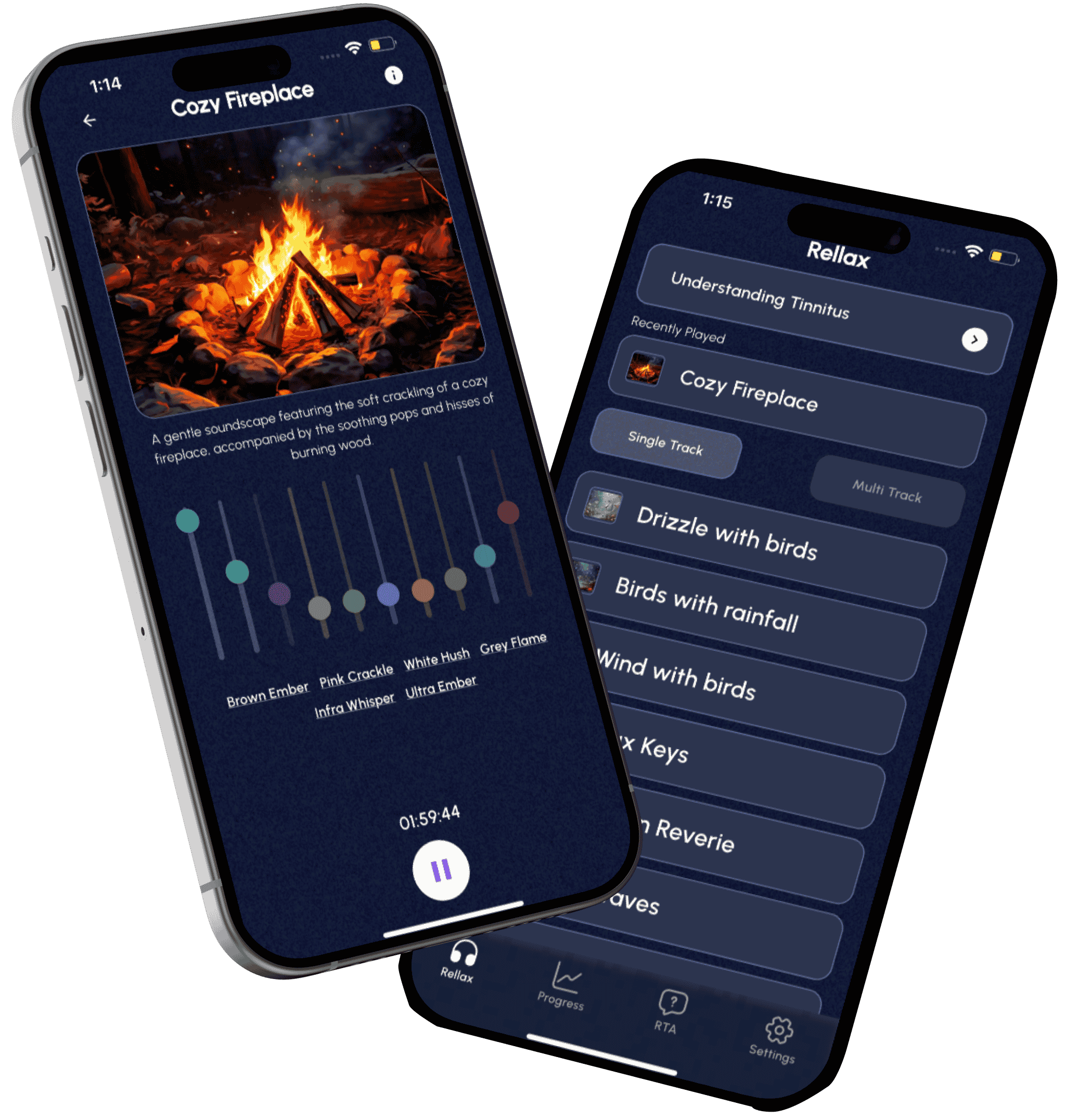
- App-based sound therapy: Patients use structured soundscapes designed by audiologists.
- Remote support: Clinicians can monitor progress and adjust care remotely.
- Self-paced access: Users engage daily, anywhere, anytime, no travel or wait times.

Does Online TRT Really Work? The Research Evidence
Skepticism is understandable, TRT has always involved human counseling and in-clinic guidance. But recent research increasingly supports digital delivery.
Key Studies and Findings
- Smart Device-Based TRT:
- 6-Month Tinnitus App Study:
- Systematic Review on i-CBT for Tinnitus:
How Online TRT Benefits Both Patients and Providers
For Patients
- Affordable and Accessible: Patients can access therapy anytime, anywhere, without travel or waitlists and at a fraction of the traditional cost.
- Personalized Experience: Sound therapy adapts to each patient’s tinnitus profile and comfort level.
- Consistent Engagement: Easy daily access builds better adherence and faster habituation.
- Privacy and Comfort: Patients can participate from home, creating a stress-free, familiar environment.
For Providers
- Scalable, Efficient Care: Support more patients without adding extra appointments or staff hours.
- Better Outcomes: Daily engagement through digital platforms boosts therapy success rates.
- Affordable Integration: With Rellax, providers can offer digital TRT for less than $1 per patient per month, a high-value, low-cost model.
- Enhanced Patient Satisfaction: Tech-driven therapy helps practices stay relevant, innovative, and patient-centered.
Online tinnitus retraining therapy empowers patients with consistent, accessible tools, while helping clinicians deliver measurable, data-backed results.

Conclusion:
The verdict is clear: online tinnitus retraining therapy really works. Backed by multiple studies, patients worldwide are finding relief through digital delivery, while providers are expanding their impact with scalable, affordable care. Explore Rellax and see how our app can help you retrain your brain and reduce tinnitus distress.
Want to see it in action?
Watch our expert session: “Rellax TRT Adds Better Tinnitus Outcomes and More Practice Value” with Dr. Darrow and Dr. Ryan Hill, where they discuss how Rellax bridges the gap between clinical care and at-home therapy, improving results for even the toughest tinnitus cases.
Frequently Asked Questions (FAQs)
It’s the digital delivery of TRT using apps or telehealth platforms, combining sound therapy and counseling principles to reduce tinnitus distress.
Yes. Research shows online TRT produces comparable results, often with higher adherence thanks to convenience and accessibility.
Anyone with bothersome tinnitus, especially those without easy access to clinics, can benefit from online programs.
Rellax integrates seamlessly into tinnitus care, helping providers offer evidence-based therapy for less than $1 per patient per month.
Have any question?
Do not hesitate to contact us. We’re a team of experts ready to talk to you.