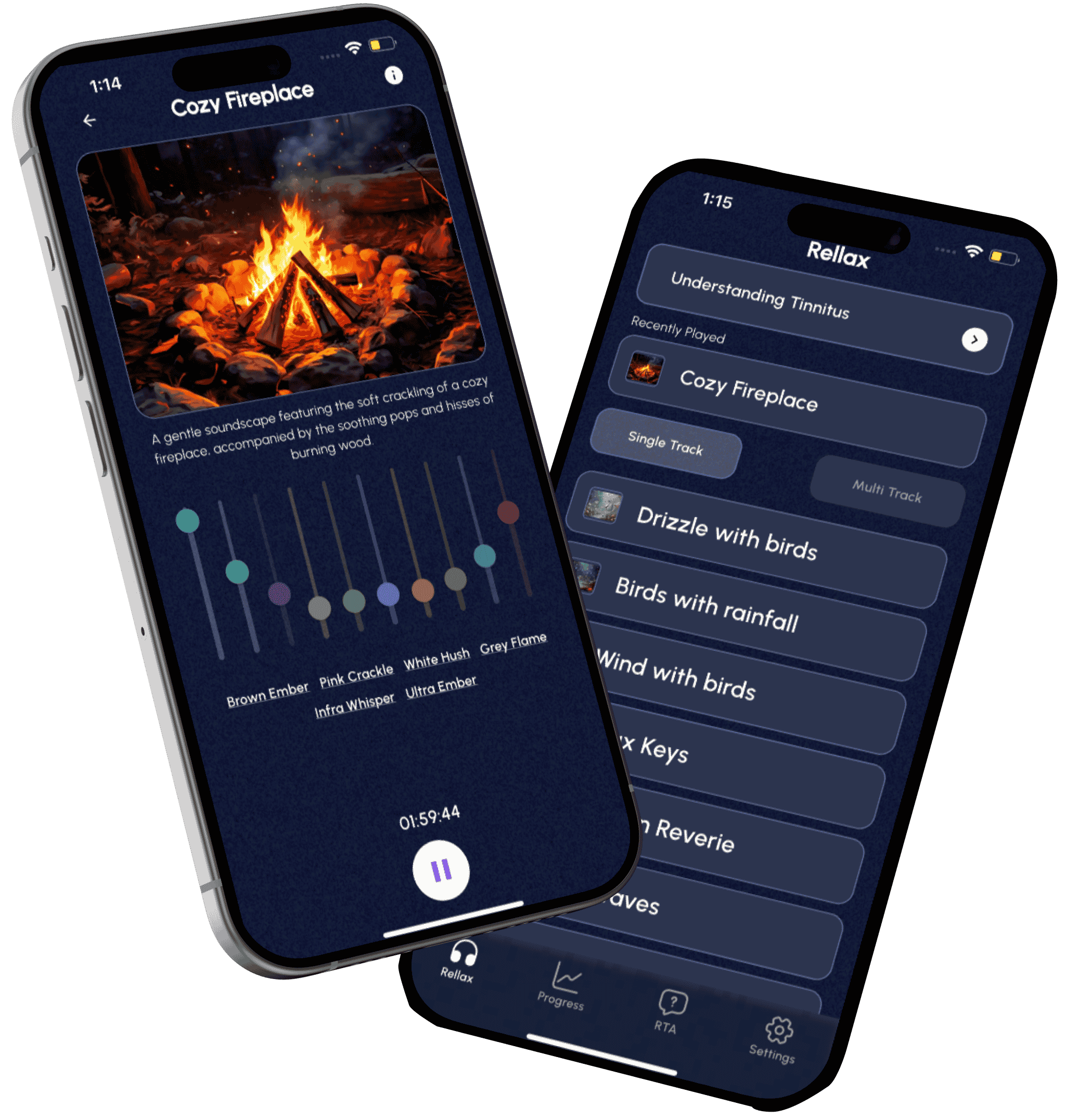

How to Improve Patient Compliance Without Increasing Workload

Healthcare providers across every specialty face the same challenge: improving patient compliance without placing additional pressure on already stretched teams.
While treatment plans may be clinically effective, they only deliver results when patients consistently follow them. Unfortunately, many patients struggle with treatment adherence due to forgetfulness, complex care routines, lack of motivation, or difficulty seeing progress.
As healthcare organizations continue to prioritize better patient outcomes, there is growing demand for patient adherence strategies that improve engagement without increasing administrative burden. Fortunately, improving patient compliance does not always require more appointments, more staff, or more manual follow-ups.
Instead, it requires systems that make treatment easier to follow, easier to track, and easier to sustain.
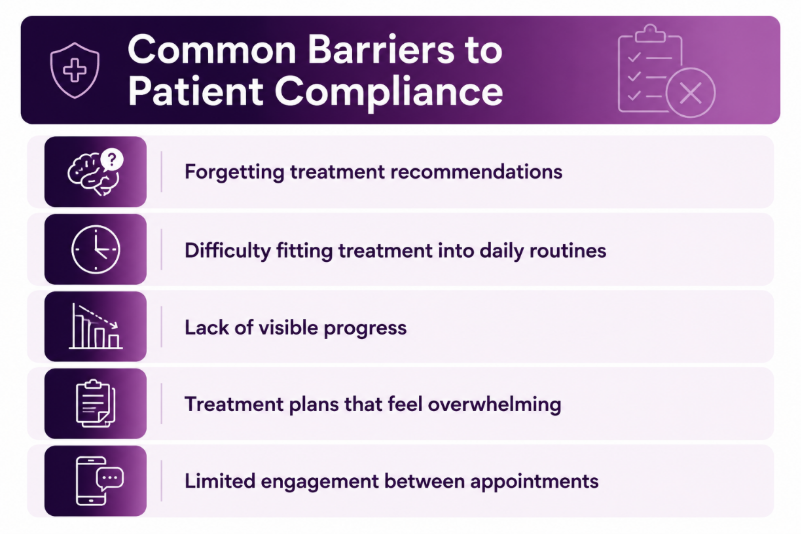
5 Ways to Improve Patient Compliance in Everyday Practice
1. Personalize Care Plans to Increase Patient Commitment
Patients are more likely to follow treatment recommendations when care feels relevant to their specific needs.
Generic treatment plans often fail to account for individual symptoms, goals, lifestyles, and challenges. Consequently, patients may struggle to connect with the treatment process.
Healthcare providers can improve patient compliance by:
- Identifying individual treatment goals
- Understanding patient-specific barriers
- Tailoring recommendations to daily routines
- Adjusting care plans as needs evolve
When patients feel that treatment has been designed specifically for them, they are more likely to stay committed over time.
2. Make Progress Visible Through Consistent Tracking
One of the biggest reasons patients abandon treatment is because they cannot see results.
Even when progress is occurring, a lack of visibility can reduce motivation and weaken patient accountability.
Healthcare providers should make progress tracking a central part of the patient experience.
Examples include:
- Symptom monitoring
- Treatment milestones
- Therapy completion rates
- Sleep or wellness improvements
- Patient-reported outcomes
Visible progress helps patients understand that their efforts are producing meaningful results.
As a result, treatment adherence becomes easier to maintain over the long term.
3. Reduce Treatment Friction Before It Leads to Non-Compliance
Even highly motivated patients can struggle when treatment feels complicated.
The more effort required to follow a care plan, the greater the likelihood of missed appointments, skipped exercises, or inconsistent participation.
This concept is known as treatment friction.
Common sources of friction include:
- Complex instructions
- Multiple daily tasks
- Difficult tracking methods
- Time-consuming processes
- Limited accessibility to support resources
Healthcare providers can improve patient compliance by simplifying treatment wherever possible.
Small improvements in convenience often produce significant improvements in adherence.
When treatment feels manageable, patients are more likely to remain consistent.
4. Use Automation to Support Patients between Appointments
Many adherence challenges are not caused by resistance. Instead, they occur because patients become distracted by everyday life.
As schedules become busier, treatment plans often move lower on the priority list.
Rather than relying on manual follow-ups, healthcare providers can use digital health tools to maintain patient engagement between appointments.
Examples include:
- Automated reminders
- Educational content
- Digital check-ins
- Appointment notifications
- Progress updates
Automation allows providers to extend support beyond the clinic without increasing staff workload.
5. Turn Treatment Adherence into a Daily Habit
Motivation is important, but habits are what drive long-term patient compliance.
Many patients begin treatment with enthusiasm. However, motivation naturally fluctuates over time. Therefore, healthcare providers should focus on helping patients build sustainable routines rather than relying solely on willpower.
Strategies that support habit formation include:
- Goal setting
- Progress streaks
- Achievement milestones
- Consistent daily routines
- Positive reinforcement
When treatment becomes part of a patient’s everyday life, adherence becomes significantly easier to maintain.
Rather than asking patients to stay motivated indefinitely, providers can help them build habits that support long-term success.
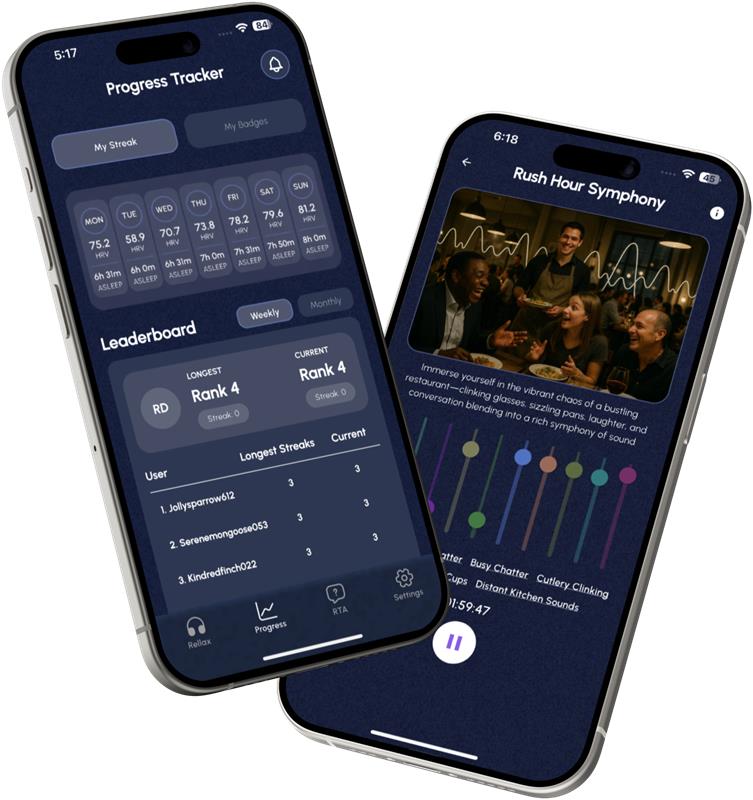
Takeaway
Improving patient compliance doesn’t require extra workload if care is designed smartly. Personalization, visible progress, and simpler treatment plans help patients stay consistent. Automation supports patients between visits, while habit-building ensures long-term adherence. Together, these strategies improve outcomes without increasing pressure on healthcare teams.
Improve Patient Compliance without Adding More Work
Better patient outcomes should not require more manual follow-ups or additional workload.
Discover how Rellax helps patients stay engaged, motivated, and committed to their treatment journey through personalized digital support designed for long-term adherence.
Frequently Asked Questions (FAQs)
Patient compliance refers to how consistently a patient follows a healthcare provider's recommended treatment plan, including therapies, medications, lifestyle changes, and follow-up care.
Strong patient compliance is associated with better treatment outcomes, improved symptom management, higher patient satisfaction, and reduced healthcare costs.
Yes. Digital health tools can support treatment adherence through reminders, progress monitoring, educational resources, and ongoing patient engagement.
Have any question?
Do not hesitate to contact us. We’re a team of experts ready to talk to you.